
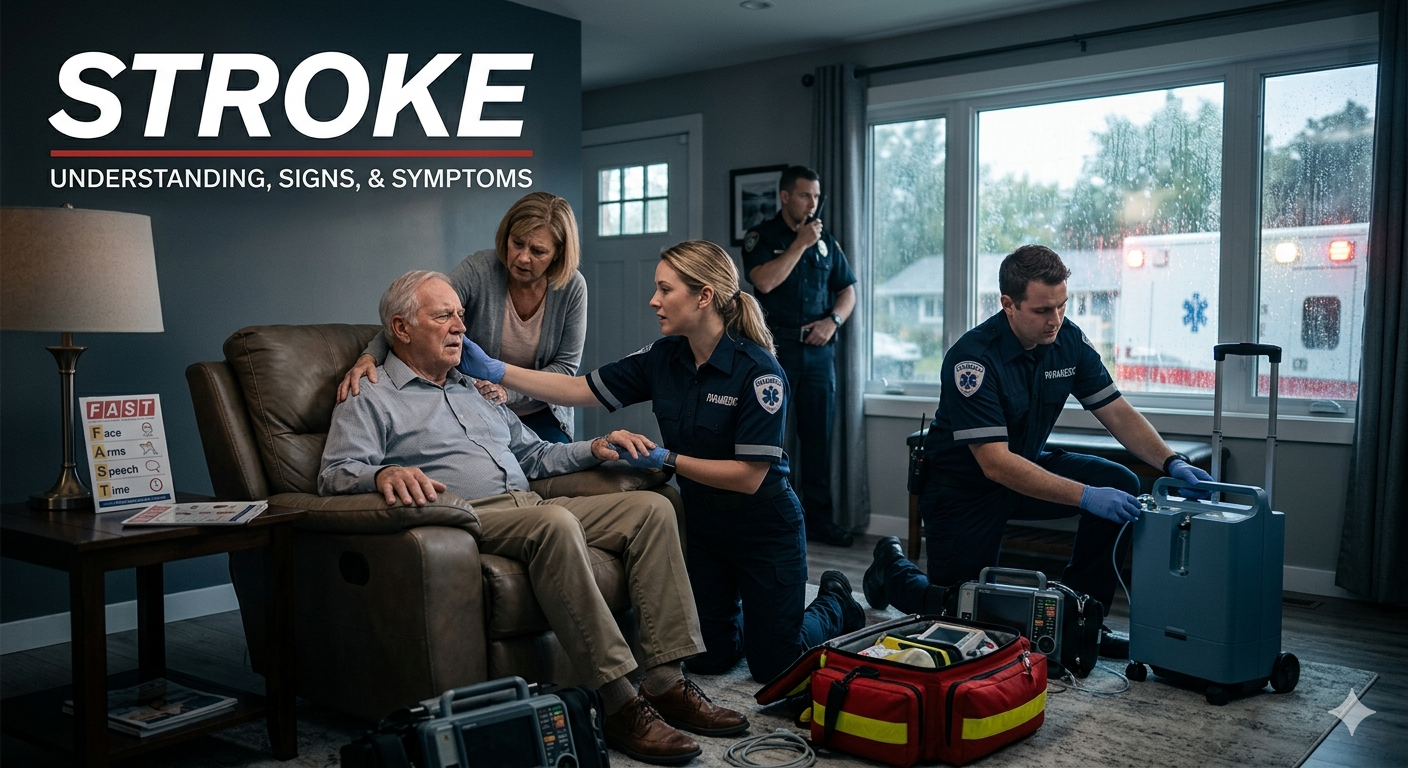
Understanding Stroke: Warning Signs, Types, and Life-Saving Action
A stroke is a medical emergency that happens in the blink of an eye, yet its impact can last a lifetime. Globally and locally, stroke remains one of the leading causes of death and long-term disability. Despite how common it is, many people still believe it only happens to older individuals or that it cannot be prevented.
The truth is, a stroke can happen to anyone at any age. Understanding how a stroke attacks the brain, recognizing the warning signs instantly, and knowing what to do can quite literally mean the difference between full recovery and permanent damage.
What is a Stroke?
A stroke is often referred to as a “brain attack.” It occurs when the blood supply to a part of your brain is suddenly interrupted or reduced, depriving brain tissue of essential oxygen and nutrients. Within minutes, brain cells begin to die.
There are two primary types of stroke:
Ischemic Stroke: This is the most common type, accounting for the vast majority of all cases. It happens when a blood clot blocks or narrows an artery leading to the brain, cutting off blood flow.
Hemorrhagic Stroke: This type occurs when a blood vessel in the brain ruptures or leaks. The leaking blood creates dangerous pressure that damages surrounding brain cells. Hemorrhagic strokes are often more severe and typically have a longer, more challenging recovery path.
Act F.A.S.T.: The Universal Warning Signs
When a stroke occurs, every single second counts. The faster blood flow is restored to the brain, the higher the chances of saving brain function and preserving mobility.
Medical experts worldwide use the F.A.S.T. acronym to help the public identify a stroke immediately:
F – Face Drooping: Ask the person to smile. Does one side of their face droop or feel numb? Is their smile uneven?
A – Arm Weakness: Ask the person to raise both arms. Does one arm drift downward? Is there sudden weakness or numbness on one side of the body?
S – Speech Difficulty: Ask the person to repeat a simple phrase. Is their speech slurred, strange, or difficult to understand? Are they struggling to find the right words?
T – Time to Call Emergency Services: If a person shows any of these symptoms—even if the symptoms go away—call emergency services immediately. Note the exact time the symptoms first appeared.
Other sudden symptoms include an intense headache with no known cause, sudden vision problems in one or both eyes, or a sudden loss of balance and coordination.
Common Risk Factors: Are You at Risk?
While a stroke can strike unpredictably, certain medical conditions and lifestyle habits significantly increase your risk.
| Medical Risk Factors | Lifestyle Risk Factors |
| High blood pressure (Hypertension) | Chronic smoking or vaping |
| High cholesterol levels | Excessive alcohol consumption |
| Type 2 diabetes | Physical inactivity and sedentary lifestyle |
| History of heart disease or irregular rhythms | Poor diet high in saturated fats and sodium |
The good news? Up to 80% of strokes are preventable through early medical intervention, proper management of chronic diseases, and healthy lifestyle shifts.
Diagnosis and Immediate Treatment
Once a patient arrives at the emergency room, the medical team acts quickly to perform diagnostic tests, such as physical exams, blood work, and urgent brain scans (like CT or MRI scans). These scans tell the doctors exactly where the stroke is located, how severe it is, and whether it is ischemic or hemorrhagic.
For an ischemic stroke, treatments must be delivered within a strict, narrow time window:
Thrombolysis: The use of clot-busting medications (like TPA) administered intravenously to dissolve the blockage and restore blood flow.
Thrombectomy: An advanced emergency procedure where an interventional specialist guides a tiny catheter through the blood vessels to physically remove the blood clot from the brain.
The Path to Recovery: Stroke Rehabilitation
Surviving a stroke is the first step; recovering your quality of life is the next. Because a stroke damages brain tissue, it can leave behind difficulties with movement, speech, memory, and emotional control.
The brain recovers through a fascinating process called neuroplasticity—the brain’s natural ability to reorganize itself, adapt, and build new neural pathways to compensate for damaged areas.
To trigger neuroplasticity, a structured multi-disciplinary rehabilitation program is vital, involving:
Physical Therapy: To rebuild physical strength, balance, and coordination.
Occupational Therapy: To help patients relearn daily skills like eating, dressing, and bathing.
Speech Therapy: To assist those struggling with communication, language processing, or swallowing difficulties.
A Note for Caregivers: Recovery is a marathon, not a sprint. Creating a safe, fall-proof home environment, encouraging consistent therapy sessions, and celebrating the smallest milestones are the best ways to support a loved one on their healing journey.
Take Action Today
A stroke can change everything in a matter of seconds. Protect yourself and your family by managing your health markers, staying active, and memorizing the signs of F.A.S.T. If you ever suspect someone is experiencing a stroke, do not wait to see if they get better—seek emergency medical care immediately. Your quick response could save their life.